
Introduction
Vestibular rehabilitation for balance disorders is a special type of physical therapy. It helps people who feel dizzy, unsteady, or have trouble with balance. Many people experience these problems due to issues in the inner ear or brain. With the right treatment, such as balance therapy exercises and physical therapy for dizziness, you can improve your stability. In fact, vestibular rehabilitation is a proven treatment for vertigo and other balance problems. This blog will explain what balance disorders are, their symptoms, causes, and how vestibular rehabilitation can help.
What Are Balance Disorders?
Balance disorders make it hard for people to stay steady. Sometimes, you may feel like you are spinning or about to fall. These problems can affect daily life. For example, walking, standing, or even sitting can become difficult. Balance disorders can happen at any age, but they are more common in older adults. According to the CDC, millions of people visit doctors each year for dizziness or balance issues.
Symptoms of Balance Disorders
People with balance disorders may notice several signs. These symptoms can come and go or last a long time. For instance, you might feel dizzy after standing up quickly. Other times, you may feel unsteady for no clear reason. Common symptoms include:
Causes of Balance Disorders
Many things can cause balance disorders. Often, problems in the inner ear are to blame. The inner ear helps control balance. However, other causes are possible. For example, head injuries, infections, or certain medicines can affect balance. In addition, aging and some diseases, like diabetes or high blood pressure, may increase risk. Sometimes, the cause is not clear. But knowing the reason can help guide treatment.
What Is Vestibular Rehabilitation?
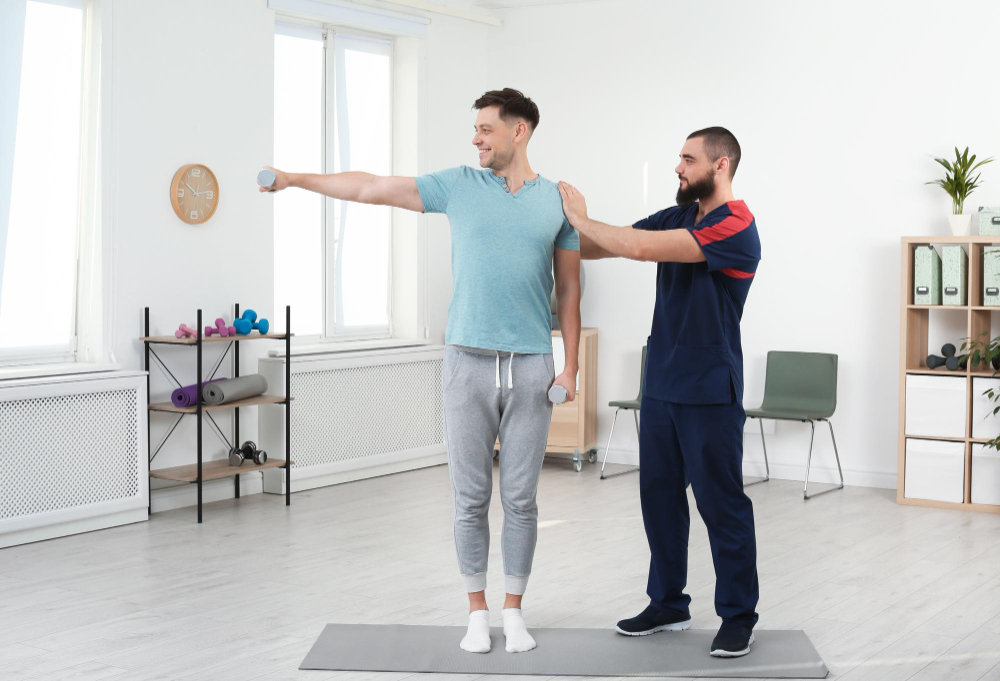
Vestibular rehabilitation is a type of physical therapy. It focuses on helping people with dizziness and balance problems. Specially trained therapists design exercises to improve balance and reduce dizziness. These exercises help your brain and body work together better. As a result, you may feel steadier and more confident in daily activities. Vestibular rehabilitation is safe and effective for many people.
How Vestibular Rehabilitation Works
First, a therapist will check your symptoms and balance. Then, they create a plan just for you. This plan may include simple movements, eye exercises, and balance training. Over time, these exercises help your body adjust. For example, your brain learns to rely on other senses if your inner ear is not working well. Most people do these exercises at home and in the clinic. With regular practice, many people see big improvements.
Common Vestibular Rehabilitation Exercises
Therapists use many exercises to help with balance disorders. Some common vestibular rehabilitation exercises include:
Always follow your therapist’s instructions. Some exercises may not be safe for everyone.
Benefits and Effectiveness of Vestibular Rehabilitation
Vestibular rehabilitation offers many benefits. For example, it can:
Studies show that most people feel better after a few weeks of therapy. According to the American Physical Therapy Association, vestibular rehabilitation is safe and effective for many balance disorders.
When to See a Specialist
If you have frequent dizziness, falls, or trouble walking, you should see a doctor. Sometimes, these symptoms can signal a serious problem. For example, sudden dizziness with chest pain or weakness needs urgent care. In most cases, a specialist can help find the cause and suggest the best treatment. Early treatment often leads to better results.
Prevention and Lifestyle Tips
While not all balance disorders can be prevented, you can lower your risk. Try these tips:
Additionally, always follow your therapist’s advice for home exercises and safety.
Conclusion
In summary, vestibular rehabilitation for balance disorders can help reduce dizziness and improve your quality of life. With the right exercises and support, many people regain their balance and confidence. If you have ongoing balance problems, consult at Pro Care Health Centre for personalized vestibular rehabilitation guidance.