
What is Traumatic Brain Injury?
Traumatic brain injury, or TBI, happens when a sudden force injures the brain. For example, a fall, car accident, or sports injury can cause TBI. This injury can change how a person thinks, feels, or moves. Because of this, daily tasks may become hard. Often, people with TBI need help to regain independence. With the right care, many people improve over time.
Common Symptoms and Challenges After TBI
After a TBI, symptoms can vary. Some appear right away, while others develop later. However, knowing what to expect can help families and patients prepare. Common symptoms include:
Because these symptoms affect daily life, many people need support. For instance, simple tasks like dressing or cooking may become hard. Yet, with patience and care, progress is possible.
The Role of Rehabilitation in TBI Recovery
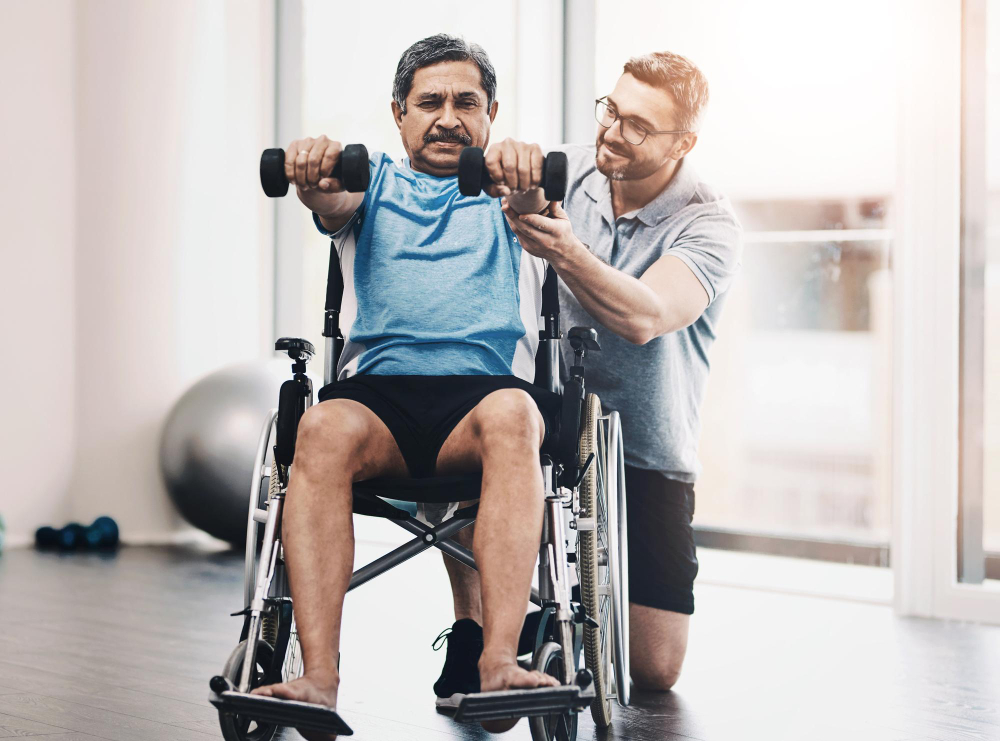
Rehabilitation is a key part of TBI recovery. It helps people relearn skills and regain independence. Often, a team of experts works together. This team may include doctors, nurses, physical therapists, and speech therapists. Each expert focuses on different needs. For example, a physical therapist helps with movement, while a speech therapist works on talking and understanding. Because every person is different, rehab plans are tailored to each patient.
Steps to Regain Independence After TBI
Regaining independence after TBI takes time. However, small steps can lead to big changes. Here are some important steps:
Because progress may be slow, it is important to celebrate small wins. Over time, these steps help build confidence and skills.
Treatment Options and Therapies in Physiotherapy
Many therapies help people recover after TBI. For example, physiotherapy focuses on movement and strength. Common treatment options include:
In addition, occupational therapy helps with daily tasks like dressing or eating. Speech therapy can improve talking and swallowing. Because each person’s needs are unique, therapists adjust treatments as needed.
Lifestyle Tips and Home Modifications
Simple changes at home can make life easier after TBI. For instance, organizing items in easy-to-reach places helps. Here are some helpful tips:
Because small changes add up, these tips can support safety and independence at home.
Prevention of Further Injury
After a TBI, preventing another injury is very important. For example, always wear a helmet when biking or playing sports. In addition, use seat belts in cars. At home, keep floors clear and use non-slip mats. Because balance may be affected, ask for help with risky tasks. These steps lower the chance of another injury.
When to Seek Professional Help
Sometimes, new or worsening symptoms may appear. For instance, sudden headaches, confusion, or weakness need quick attention. If you notice these signs, contact a doctor right away. In addition, regular check-ups help track progress. Because every recovery is different, a rehabilitation specialist can guide you through each stage.
In summary, traumatic brain injury rehabilitation is a journey. With the right support, many people regain independence. Consult a rehabilitation specialist at Pro Care Health Centre for personalized guidance on traumatic brain injury recovery.