Introduction
Recovering from stroke is a journey that many people face. A stroke happens when blood flow to the brain is blocked or reduced. This can cause sudden weakness, trouble speaking, or loss of movement. However, with the right support, many stroke survivors can regain independence. Early rehabilitation and physiotherapy play a key role in this process. In this blog, you will learn about stroke recovery tips, challenges, and ways to rebuild your life.
Common Challenges After Stroke
After a stroke, people often face many challenges. For example, some may have trouble moving one side of the body. Others may find it hard to speak or understand words. In addition, memory and thinking skills can be affected. Everyday tasks like dressing or eating may become difficult. Emotional changes, such as feeling sad or frustrated, are also common. But with time and support, many of these problems can improve.
Role of Physiotherapy in Stroke Recovery
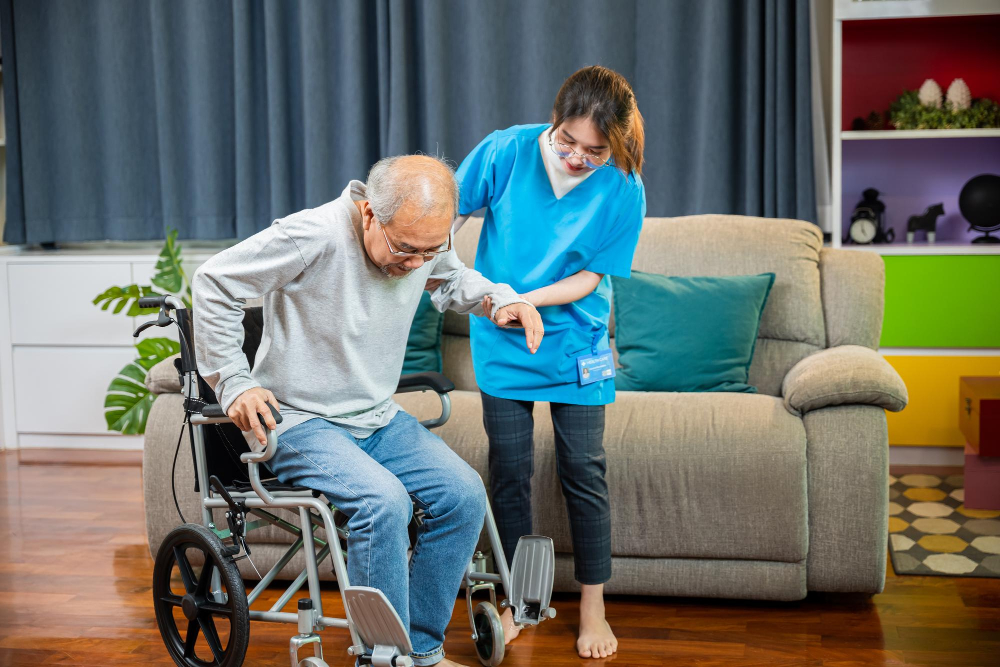
Physiotherapy for stroke survivors is vital. It helps restore movement, strength, and balance. Early therapy can prevent muscle stiffness and joint pain. Moreover, physiotherapists create personalized plans for each person. These plans may include stretching, walking, and strength exercises. As a result, patients can relearn skills and improve their quality of life. According to the World Health Organization, regular rehabilitation increases the chance of regaining independence after stroke.
Steps to Regain Independence
Regaining independence after stroke takes time and effort. Yet, small steps can lead to big changes. Here are some important steps:
With support from family and therapists, many people regain skills and confidence.
Home Exercises and Lifestyle Tips
Even at home, you can work on stroke rehabilitation exercises. These simple activities help build strength and improve movement. For example, you can try:
Besides exercise, a healthy lifestyle matters. Eat balanced meals, drink enough water, and get enough sleep. Also, avoid smoking and limit alcohol. These habits help your body heal and lower the risk of another stroke.
Prevention of Future Strokes
Preventing another stroke is very important. You can lower your risk by making healthy choices. For instance, control your blood pressure and blood sugar. Take medicines as prescribed by your doctor. In addition, regular exercise and a healthy diet help keep your heart and brain strong. The Centers for Disease Control and Prevention (CDC) recommends:
When to Seek Professional Help
Sometimes, you may need extra support during recovery. If you notice new symptoms, such as sudden weakness, trouble speaking, or severe headaches, seek medical help right away. Also, if you feel sad or hopeless for many days, talk to your doctor. Early treatment can prevent problems and speed up recovery. Moreover, regular check-ups with your physiotherapist help track your progress and adjust your plan.
Conclusion and Call-to-Action
Recovering from stroke is a journey, but you are not alone. With the right care, many people regain independence and enjoy life again. Remember, every small step counts. If you’re recovering from a stroke, consult the healthcare specialists at Dr. Pro Care Health Centre for effective, personalized recovery solutions.