What is Stroke Rehabilitation?
Stroke rehabilitation helps people regain skills lost after a stroke. A stroke happens when blood flow to the brain stops. This can cause weakness, trouble speaking, or problems with balance. Early stroke rehabilitation is important for better recovery. It often starts in the hospital and continues at home or in clinics. The main goal is to help you become as independent as possible. According to the World Health Organization (WHO), stroke rehabilitation improves quality of life and helps people return to daily activities.
Common Symptoms After Stroke
After a stroke, many people notice changes in their bodies or minds. These symptoms can vary, but some are more common. For example, you might feel weak on one side of your body. Some people have trouble speaking or understanding words. Others may feel numbness, pain, or stiffness in their arms or legs. In addition, balance and walking can become difficult. Memory problems or mood changes may also occur. Because every stroke is different, symptoms can change over time.
Goals and Benefits of Rehabilitation
Stroke rehabilitation has clear goals. First, it aims to help you regain lost skills. Next, it works to improve your strength and movement. Rehabilitation also helps you relearn daily tasks, such as dressing or eating. Over time, you may notice better balance and less pain. As a result, you can become more independent. Studies from the Centers for Disease Control and Prevention (CDC) show that early and regular rehabilitation leads to better recovery. In summary, stroke rehabilitation can boost your confidence and help you return to your normal life.
Key Physiotherapy Techniques in Stroke Recovery
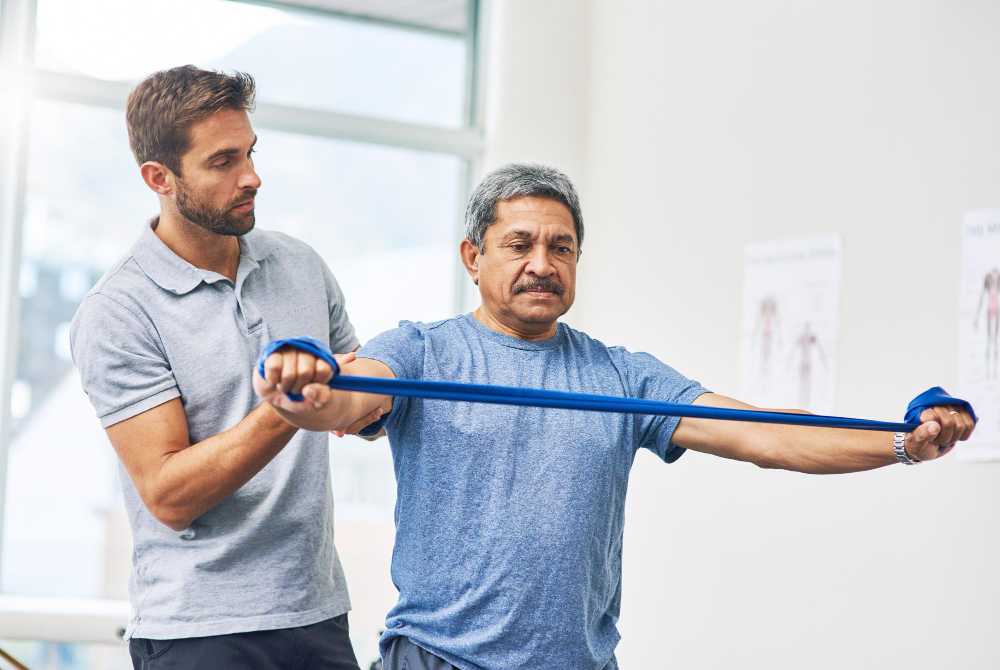
Physiotherapy is a big part of stroke recovery. Therapists use many techniques to help you move better. Some common methods include:
Because every person is different, your therapist will choose exercises that fit your needs. Over time, these techniques can help you regain control and feel stronger.
Steps in the Stroke Rehabilitation Process
Stroke rehabilitation usually follows a step-by-step process. Here is what you can expect:
Because recovery takes time, patience is important. However, regular effort can lead to steady improvement.
Tips for Home-Based Stroke Rehabilitation
Many people continue stroke recovery at home. Here are some tips to help you:
Because home exercises are important, try not to skip them. Over time, you may notice better strength and movement.
Preventing Stroke Recurrence
After a stroke, it is important to prevent another one. Here are some steps you can take:
Because small changes can make a big difference, start with one healthy habit at a time. The CDC recommends regular check-ups to lower your risk.
When to Consult a Rehabilitation Specialist
Sometimes, you may need extra help during stroke recovery. You should consult a rehabilitation specialist if:
Because early support can speed up recovery, do not wait to ask for help. Rehabilitation specialists can guide you and adjust your therapy plan as needed.
In conclusion, stroke rehabilitation is a key part of recovery. With the right support and regular physiotherapy, you can regain strength and independence. Consult a rehabilitation specialist at Pro Care Health Centre for personalized stroke recovery guidance.